Essential Elements to Strengthen the Performance of Remote Communication Solutions
Telepresence systems have become an critical resource for companies, schools, and entities seeking to preserve connectivity and cooperation across boundaries. To ensure these systems perform optimally, several technological and functional components must be strategically addressed. The basis of high-performing telepresence depends on advanced hardware, such as quality cameras, crisp voice setups, and stable monitors. These elements guarantee that attendees can observe and hear each other with clarity, which significantly affects engagement and understanding. Additionally, the implementation of advanced audio devices and background-noise reduction solutions assists eliminate background interference, supporting interactions and virtual interactions to run smoothly.
Similarly essential is the connectivity infrastructure that underpins remote communication systems. Fast networks with reduced lag are crucial for supporting uninterrupted video and sound feeds. Companies must also deploy encrypted networking protocols to safeguard confidential details during virtual meetings. Traffic control and backup connections further support platform stability, reducing downtime that can reduce productivity. By ensuring consistent and protected data pathways, virtual collaboration solutions can maintain dependable effectiveness that supports the requirements of both presenters and participants.
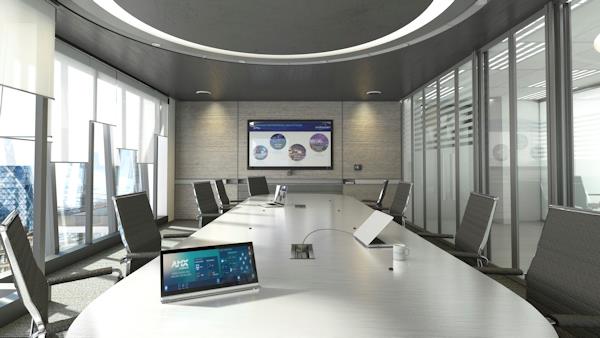
Software and system capabilities are critical in enhancing virtual presence. Tools such as live co-working, visual sharing, and virtual boards facilitate participants to engage more productively. User-friendly interfaces are also important, enabling individuals with different skills to engage easily. Integrations with time-management platforms, task management tools, and data platforms can simplify virtual meetings and reduce the need for complex organization. Together, these digital features enhance the interaction quality, turning telepresence more than just a video call but a engaging collaborative environment.
User considerations and training are often underestimated but are vital to the performance of remote interaction solutions. Attendees must learn guidelines for camera positioning, visibility, and sound setup to optimize viewing quality and audibility. Training sessions can also educate users with system functions, allowing them navigate platform systems effectively. Encouraging go to the website communication standards during online interactions, such as silencing when not talking and maintaining visual attention, supports professionalism and conduct. By combining system readiness with training, organizations can enhance the effectiveness of their remote platforms solutions.
Finally|Ultimately|In conclusion, this content continuous evaluation and enhancement are essential to sustaining telepresence functionality. Gathering input from participants, observing platform functionality, and periodically upgrading hardware and platform tools ensure that the system continues to be effective and stable. Performance metrics can allow detect persistent problems, while upgrades in tools can offer new features that boost virtual interaction. By focusing on ongoing assessment and upgrades, organizations can ensure a high-quality telepresence experience, reinforcing collaboration, collaboration, and efficiency across virtual participants.